The information provided on this website is for educational and informational purposes only. It is not intended as a substitute for professional medical advice, diagnosis, or treatment. Always seek the advice of your physician or other qualified health provider with any questions you may have regarding a medical condition. Never disregard professional medical advice or delay in seeking it because of something you have read on this website.
Dr Catriona Walsh provides nutrition and lifestyle coaching services. While she is a former consultant paediatrician, the services offered through this website do not constitute medical practice and are not a replacement for appropriate medical care. If you think you may have a medical emergency, call your doctor or emergency services immediately.
The testimonials and case studies presented represent individual experiences and results. Individual results may vary. No guarantee of specific results is made or implied.
We use Google Analytics cookies to understand how people find and use this site — nothing more. Cookies are stored for up to 12 months, and your IP address is anonymised. Your consent choice is also stored for 12 months, after which we'll ask again. Read our Privacy & Cookie Policy.

So I wrote them down for you. A free workbook from a doctor who's been on both sides of the scanner: what to ask, what to weigh, and how to decide with a clear head instead of a frightened one. With or without contrast.
From the doctor behind the largest patient-led survey of people harmed by contrast MRI.
No cost. No spam. Unsubscribe any time. Your details are never sold.
I had a feeling I shouldn't. I let them talk me into it anyway.What I hear from patients, over and over
Maybe the appointment's next week, and you can't shake the feeling you're being hurried into something. Maybe you already had the scan, and you've not felt right since, and no one will join the dots. Maybe you've simply learned the hard way to read the label before you swallow the pill.
Either way, you've noticed the thing most people miss. Consent is meant to be informed. For a decision that could turn out to be one of the hardest of your life, you deserve all of it: what this scan can do for you, what it can't, what it might cost you, and whether there's another road to the same answer.
What you actually get is a clipboard, a biro, and not much time. The information that would make your consent genuinely informed is scattered across journals, buried in leaflets, or quietly reassured away before you've thought to ask. Gathering it yourself, while you're frightened and on the clock, is far harder than it ought to be.
So I've done it for you. This workbook hands you the questions, one at a time, so you can walk into the room knowing exactly what you want to know.
Pin down what this scan is really for
See the sales pitch for what it is
Know you can say no, and how to
Ask the questions that change the answer
Get it in writing before you sign
Decide with your eyes wide open
Plus two bonuses. The 90-Second Reset, so you can steady yourself and decide from a clear head instead of a frightened one, because this is no decision to make with your heart pounding. And Call Their Bluff, which hands you a simple way to read the evidence yourself, so the next time someone says "the studies show," you can check whether they actually do.
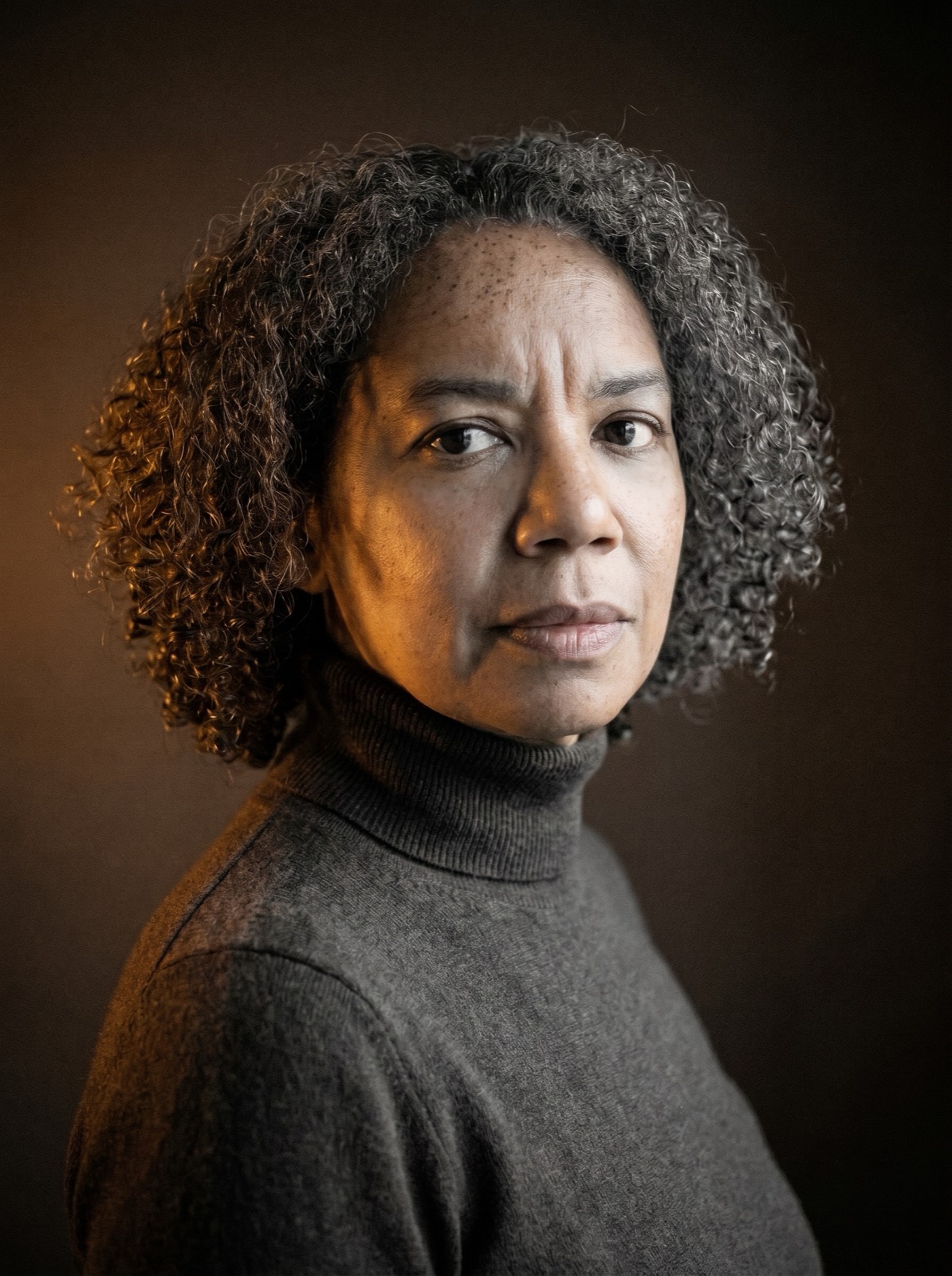
I'm Dr Catriona Walsh. I trained at Cambridge and worked as a consultant paediatrician, until I lost faith in a system that too often closes ranks to protect itself: its reputation, its comfortable silences, and the drug companies whose products it defends, long before it protects the patient on the table. That instinct to reassure, to smooth over, to avoid the difficult conversation, is exactly what hollows out the "informed" in informed consent. I've also been the frightened person on the table: I've lived gadolinium toxicity myself, and I co-authored the largest patient-led survey of people harmed after contrast MRI scans.
So this isn't theory. It's what I wish someone had handed me before my own scan.
Many doctors I went to simply denied that it could ever be a problem. I felt like I couldn't even find square one.MikeUSA
I feel more understood and supported by her than by any physician I consulted.MariaAustria
Pop your details in and I'll email it straight over. Takes a few seconds.
Do I really need this scan, or the contrast?
Maybe you do. Maybe you don't. That's the question the workbook helps you answer with your own doctor, instead of taking the first "yes" as the final word. It hands you the questions that have real answers, and shows you how to spot the ones designed to hurry you past the decision.
They told me I'll pass it out in a day or two. Is that right?
That's the reassurance nearly everyone gets. It's also one of the claims the workbook teaches you to test, because where gadolinium ends up, and for how long, turns out to be more complicated than the leaflet lets on. You won't have to take their word for it, or mine. You'll know what to ask.
My kidneys are fine, so I'm safe, aren't I?
That's the line the whole "safe" story rests on. It's also the line our patient survey of 316 people with normal kidney function has started to unpick. The workbook won't scare you off a scan you genuinely need, but it'll make sure "your kidneys are fine" isn't the only thing you're handed.
My doctor's insisting on contrast. Do I have to agree?
No. Contrast is your decision, not the price of being looked after. The hard part is rarely knowing you can say no. It's knowing how, with someone in a white coat waiting for an answer. The workbook gives you the words.
How do I push back without being written off as "difficult"?
This is the question I'm asked most. You can ask, decline, and have your decision recorded, calmly and without a row. The workbook walks you through exactly how, including what to say when you're pushed.
I already had contrast, and I've not felt right since. Is it too late, or is it all in my head?
It isn't in your head, and it isn't too late to understand what happened. You're not the first to join those dots, and you won't be the last. The workbook is as much for you as for someone facing a scan. (And if you'd like a proper conversation about it, my free assessment is always open.)
Can't I just google this, or ask an AI?
You can, and you'll have the official reassurances in seconds. What's harder to find is what they leave out: the questions that actually have answers, how to tell those from the ones there to steer your yes, and what the largest patient-led survey of people harmed after contrast really found. That's the gap I've put in one place.
Is it really free, and is it medical advice?
Free, completely. No card, no catch, one email to confirm it's you and it's yours. And no, it isn't medical advice. It sets you up for a better conversation with the person who knows your history. It doesn't replace them, it just means you walk in ready.
I don't have time for a workbook. Is there a quicker version?
Yes. There's a free, five-minute interactive decision tree that walks you through the core questions and lets you print or save your answers to take to your appointment. It asks nothing of you, not even an email. The workbook goes far deeper, and teaches you to think this way for good, but if your appointment's tomorrow, start with the tree.
Who wrote it?
Dr Catriona Walsh, a Cambridge-trained former consultant paediatrician and nutrition and lifestyle coach, author of Contrasts: More Than Meets the MRI, and co-author of the largest patient-led survey on symptoms after contrast MRI.
A scan is easy to be swept into and impossible to undo. The questions are free. Ask them before, not after.